
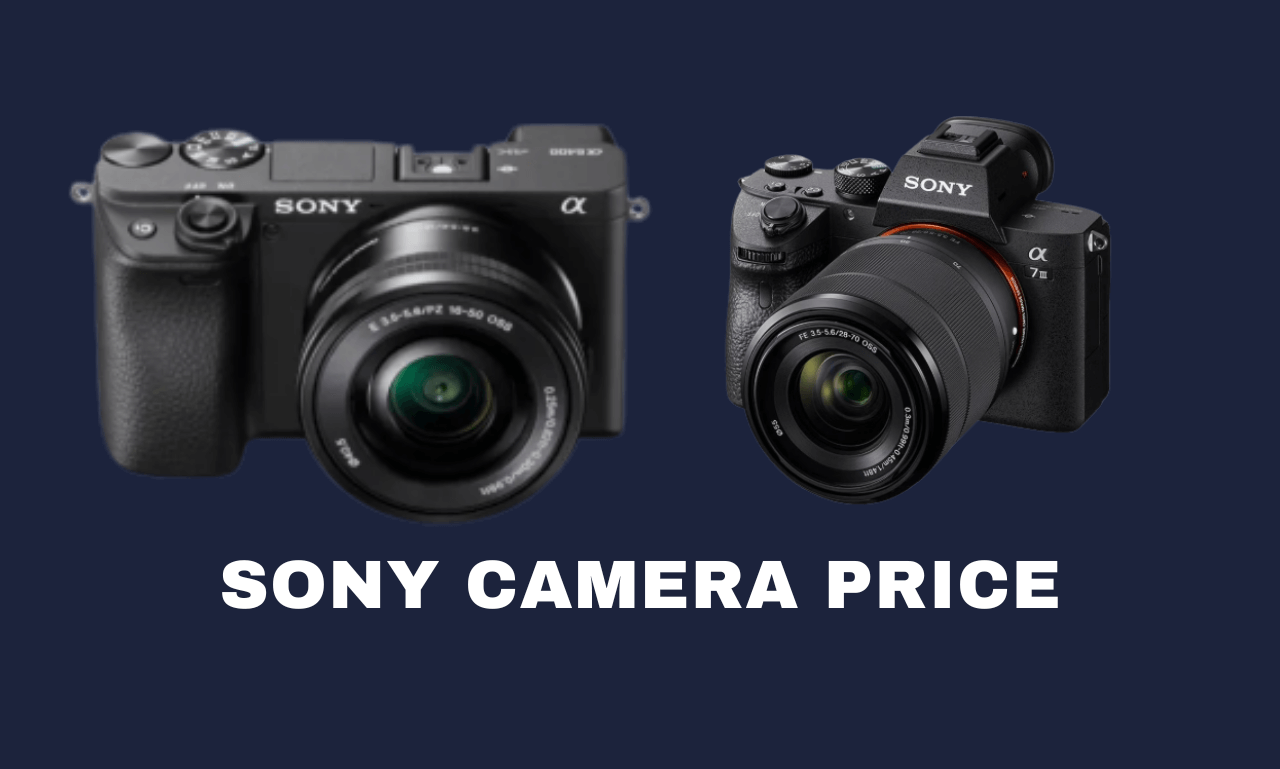
The decision to buy a new sony camera is exciting, but navigating the countless models, specs, and prices in Nepal’s market can be overwhelming. You’re making a significant investment, and you want to be sure it’s the right one. This guide cuts through the noise. We’ve spent hundreds of hours researching, testing, and consulting with authorized dealers in Kathmandu to bring you the most detailed, up-to-date, and trustworthy resource for Nepali buyers.
Whether you’re a student starting a YouTube channel, a traveler documenting your treks, or a professional filmmaker, this article will provide the clarity you need. We don’t just list specs; we explain what they mean for you, in the context of shooting in Nepal, from the dusty trails of Mustang to the vibrant festivals of Kathmandu.
Understanding the Nepali Camera Market: A Buyer’s Primer
Before we look at cameras, it’s crucial to understand the buying landscape in Nepal. The electronics market has two primary segments: authorized dealers and the gray market.
Authorized Dealers (Recommended):
These are official partners of Sony Nepal. They offer genuine products with a valid Sony Nepal warranty, which is essential for after-sales service and repairs. Prices are slightly higher, but the security is worth the investment. Look for established names in Kathmandu like Sony Center and other certified electronics stores.
The Gray Market:
These are cameras imported through unofficial channels, often from other countries. While they may be cheaper upfront, they come with significant risks:
- No Valid Warranty: Sony Nepal will not service these cameras.
- Potential for Counterfeits: You might receive used, refurbished, or even fake goods.
- No Buyer Protection: You have no recourse if the product is faulty.
💡 Our Verdict: For a purchase this important, always buy from an authorized dealer. The peace of mind and guaranteed service are invaluable. Keep your receipt and warranty card in a safe place.
Comprehensive Sony Camera Price List for Nepal (2025 Edition)
The following prices are carefully researched estimates based on current market rates from authorized dealers in Kathmandu as of early 2025. Prices in Pokhara, Biratnagar, and other cities may vary slightly. We will segment them by user type for easier digestion.
Best Sony Cameras for Vlogging and Content Creation
| Model | Sensor | Approx. Price (NRs.) | Who It’s For |
|---|---|---|---|
| Sony ZV-E10 II | APS-C | 95,000 – 120,000 | The ultimate beginner vlog camera. Excellent quality for the price. |
| Sony ZV-1 Mark II | 1-inch | 90,000 – 110,000 | The pocket-sized pro. Perfect for travelers who need a simple, all-in-one solution. |
| Sony ZV-E1 | Full-Frame | 340,000 – 375,000 | The vlogging king. Unbeatable low-light performance and AI features for serious creators. |
Best Sony Cameras for Photography and Hybrid Shooting
| Model | Sensor | Approx. Price (NRs.) | Who It’s For |
|---|---|---|---|
| Sony A6400 | APS-C | 150,000 – 175,000 | A classic. Perfect for enthusiasts who want a powerful, compact body with a selfie screen. |
| Sony A6700 | APS-C | 210,000 – 240,000 | The APS-C flagship. For those who want pro-level video and photo features without the full-frame price tag. |
| Sony A7C II | Full-Frame | 320,000 – 355,000 | The compact full-frame. Ideal for travel and street photographers who prioritize size and weight. |
| Sony A7 IV | Full-Frame | 340,000 – 380,000 | The all-rounder champion. The go-to choice for professional photographers and hybrid shooters. |
| Sony A7R V | Full-Frame | 450,000 – 490,000 | The resolution monster. For landscape, commercial, and studio photographers who need extreme detail. |
Best Sony Cameras for Professional Filmmaking
| Model | Sensor | Approx. Price (NRs.) | Who It’s For |
|---|---|---|---|
| Sony FX30 | Super 35mm | 350,000 – 390,000 | The indie filmmaker’s dream. A true cinema camera at an accessible price point. |
| Sony FX3 | Full-Frame | 750,000 – 820,000 | The cinematic workhorse. For professional documentaries, commercials, and short films. |
Detailed Camera Analysis: Finding Your Perfect Sony Match
Let’s move beyond the spreadsheet and into the real-world performance of these cameras.
For the Vlogger: ZV-E10 II vs. ZV-E1
This is a classic “budget vs. premium” dilemma.
Sony ZV-E10 II: The Smart Choice for Most
- In-Depth Analysis: The ZV-E10 II isn’t just a slightly updated model; it’s a perfectly tuned instrument for the modern creator. Its large APS-C sensor provides a significant quality jump over smartphone video, with beautiful background blur (bokeh). The key feature is its interchangeable lens mount, allowing your kit to grow with your skills.
- Nepali Context: Its lightweight body is perfect for a day of vlogging around Thamel or carrying on a trek. The battery life is respectable, but carrying a power bank is advised for long days.
- The Bottom Line: If you are starting a YouTube channel, creating educational content, or are a travel vlogger on a budget, the ZV-E10 II offers the best value in Nepal.
Sony ZV-E1: The Low-Light Powerhouse
- In-Depth Analysis: The ZV-E1 uses the same sensitive 12MP full-frame sensor as the professional A7S III. This means you can shoot clear, virtually noise-free video in situations where other cameras struggle—like a dimly lit restaurant or during a festive evening. Its AI features, like Auto Framing and Cinematic Vlog Setting, are game-changers for solo creators.
- Nepali Context: Imagine filming a vlog inside a traditional Newari courtyard with only ambient light, or capturing the moody atmosphere of a monsoon evening. The ZV-E1 excels here.
- The Bottom Line: If you are a serious content creator who frequently films in challenging lighting and wants the highest production value from an easy-to-use camera, the ZV-E1 is worth the investment.
For the Photographer: A6700 vs. A7 IV
This decision often comes down to budget and how much you value portability.
Sony A6700: The Power of APS-C
- In-Depth Analysis: The A6700 inherits almost all the advanced AI autofocus and video capabilities from Sony’s flagship cameras. It shoots stunning 4K video oversampled from 6K, making it incredibly detailed. For photography, the 26MP sensor is more than enough for large prints and social media. The smaller sensor also means the entire system (body and lenses) is lighter and more affordable.
- Nepali Context: This is the ultimate trekking companion. You can carry a body and two or three lenses without breaking your back. The image quality will satisfy all but the most demanding professional needs.
- The Bottom Line: Choose the A6700 if you want top-tier performance in a compact form factor and want to save money on both the body and lenses.
Sony A7 IV: The Professional’s Standard
- In-Depth Analysis: The A7 IV’s 33MP sensor provides the perfect balance of resolution for high-quality prints and low-light performance. Its body is more robust, it has dual card slots (crucial for professionals), and its ergonomics are superior for long shooting sessions. The full-frame sensor provides a clear advantage in achieving a shallow depth of field and in high-ISO situations.
- Nepali Context: This is the camera for the Nepali wedding photographer, the real estate shooter, or the serious travel photographer who prints their work. Its versatility is unmatched.
- The Bottom Line: If photography is your profession or a very serious hobby, and you can invest in full-frame lenses, the A7 IV is the most logical and capable choice.
The Lens Ecosystem: Building Your Kit in Nepal
A camera is a platform; lenses are the tools. Here’s how to build your lens kit strategically.
The First Lens You Should Buy
- For ZV-E10 II Owners: Skip the kit lens and invest in the Sigma 16mm f/1.4 DC DN (approx. NPR 85,000). It’s sharper, faster (better in low light), and the perfect focal length for vlogging.
- For A7C II / A7 IV Owners: The Tamron 28-75mm f/2.8 G2 (approx. NPR 130,000) is the best “first lens.” It’s versatile, sharp, and much more affordable than the Sony GM equivalent.
Specialized Lenses for Nepali Landscapes
- The Wide-Angle: The Sony FE 20mm f/1.8 G (approx. NPR 120,000) is superb for astrophotography in Mustang and vast mountain panoramas.
- The Telephoto Zoom: A Sony FE 70-200mm f/4 G OSS (approx. NPR 180,000) is essential for compressing mountain scenes and capturing wildlife in Chitwan National Park. It’s lighter and more affordable than the f/2.8 version.
A Note on Third-Party Lenses
Brands like Sigma and Tamron have revolutionized the market. Their lenses for Sony E-mount offer 90-95% of the performance of Sony’s own G Master lenses at often half the price. They are highly recommended for most buyers and are perfectly reliable.
Essential Accessories: Don’t Forget These!
Your camera is only part of the equation. These accessories are critical for quality and protection.
- Audio (The Most Important Upgrade): Your camera’s built-in mic is not enough. A Rode VideoMic GO II (approx. NPR 18,000) is the minimum for clear audio. For interviews, a Rode Wireless GO II (approx. NPR 45,000) is a game-changer.
- Stabilization: For smooth walking shots, a gimbal is necessary. The DJI RS 3 Mini (approx. NPR 70,000) is perfect for mirrorless cameras.
- Protection: A sturdy camera bag (Lowepro or Peak Design) and a simple rain cover (NPR 2,000) are non-negotiable in Nepal’s unpredictable climate.
- Power: Always carry at least one extra battery and a large power bank. Teahouses on popular treks often have limited power outlets.
Frequently Asked Questions (FAQs)
Q1: I’m a complete beginner. Which Sony camera is the easiest to use?
The Sony ZV-E10 II is designed for ease of use. It has a simple menu, a fully articulating screen, and features like a “Background Defocus” button that automate complex settings. It’s the perfect camera to learn on.
Q2: How can I verify the warranty of my Sony camera in Nepal?
When you purchase from an authorized dealer, you will receive a Sony Nepal warranty card. The serial number on this card, the camera’s box, and the camera itself must match. You can also contact Sony Nepal’s official service center to verify the warranty status.
Q3: Is the image quality difference between APS-C and full-frame really that big?
In good light, for web use, the difference can be subtle. However, full-frame sensors have a clear advantage in low-light performance and the ability to achieve a more shallow depth of field (blurry background). For professionals, this difference is significant.
Q4: What is the best way to protect my camera during the monsoon season?
A reusable rain cover is your first line of defense. Keep your gear in a sealed bag with silica gel packets to absorb moisture. After shooting in humidity, leave your camera in a dry, enclosed space with a desiccant.
Q5: I have a budget of NRs. 200,000 for a camera and lens. What should I get?
Your best option is the Sony ZV-E10 II (approx. NPR 110,000) with the Sigma 16mm f/1.4 (approx. NPR 85,000). This leaves a little for a tripod and memory card. This combo will produce professional-level vlogs and photos.
Final Recommendation and Conclusion
Choosing a camera is a personal journey, but based on extensive research and local market understanding, here are our final picks:
- Best for Beginners: Sony ZV-E10 II
- Best for Travel & Trekking: Sony A6700
- Best All-Rounder for Pros: Sony A7 IV
- Best for Serious Vlogging: Sony ZV-E1
Investing in a Sony camera opens up a world of creative possibilities. By purchasing from an authorized dealer and building your kit with the right lenses and accessories, you are not just buying a gadget; you are investing in a tool to tell your story. We hope this detailed guide has provided the clarity and confidence you need to make the right choice.
Happy shooting, and we can’t wait to see the stories you capture from the heart of the Himalayas.